
Workforce Development is Critical for Economic Mobility
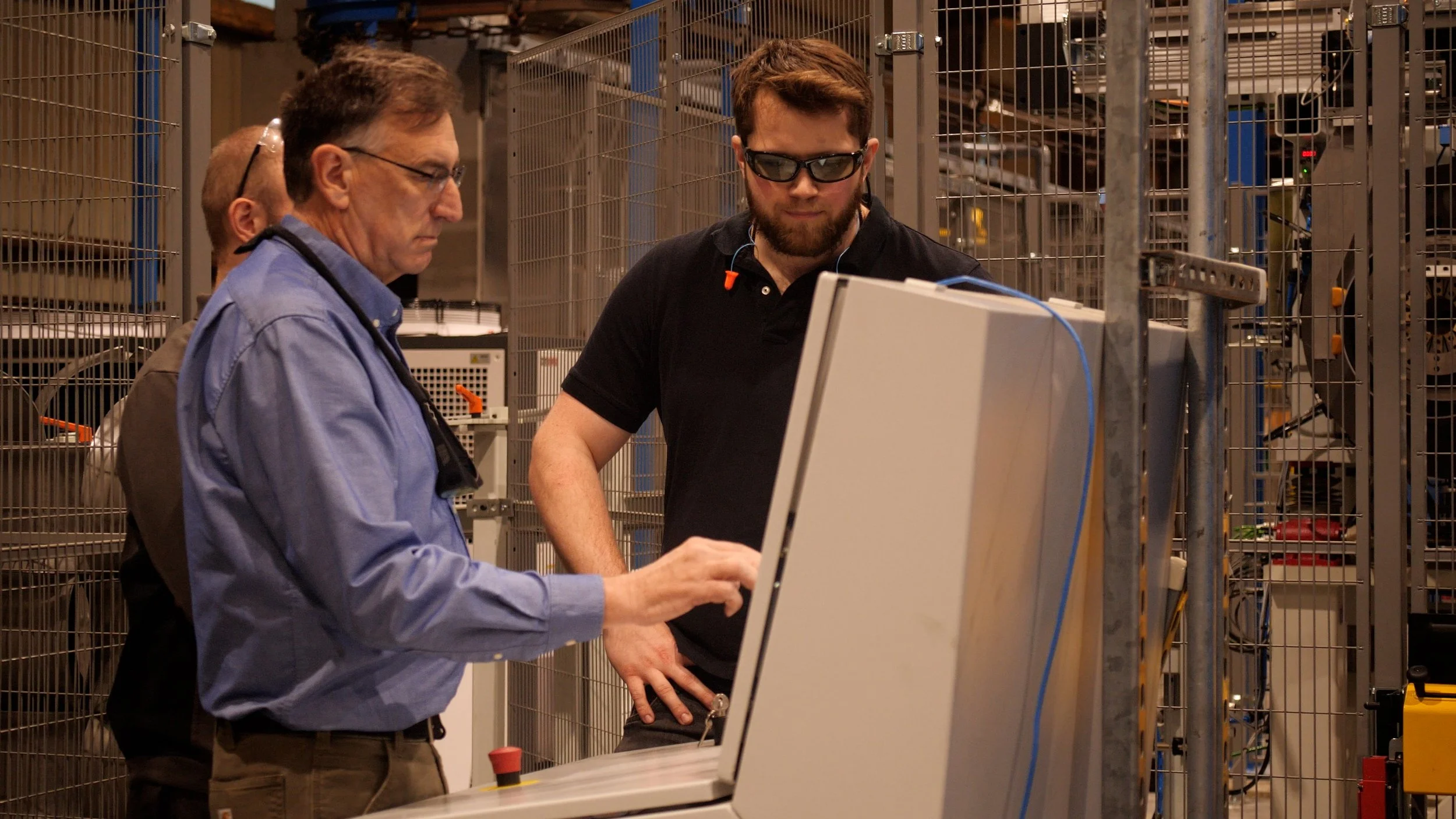
Quality workforce development is critical for advancing economic mobility in distressed communities. As New Orleans Career Center CEO Claire Jecklin told the audience at LifeCity’s State of Sustainability Luncheon, we are all in workforce development – whether we are employers, community leaders, teachers, parents, or mentors. That means we have the ability to leverage our resources and expertise to create and advance workforce development opportunities. For the New Markets Tax Credit community, that means investing directly in workforce projects or encouraging QALICBs to form partnerships that support workforce development initiatives in their communities.
For New Markets Tax Credit investors, numerous opportunities exist to support workforce programs in local communities. Over more than a decade of telling the impact stories of NMTC-financed projects, LifeCity has observed a variety of workforce development models that center on businesses, public institutions, and public-private partnerships. By looking at examples from across the country as well as from LifeCity’s own home community of New Orleans, we can explore the many ways to continue providing opportunities for growth to residents of low-income communities.
Investing Directly in Job Training and Business Development
Investing in technology and startup incubators can be an efficient way for CDEs to support skills training and job creation. These projects provide job training and help local entrepreneurs spin off businesses that will generate economic impact.
In 2025, LifeCity visited Convergence, a workforce-focused mixed-use development in Oklahoma City, OK. The project is a partnership between local government, private capital, and academic institutions that provides space and resources to local biotechnology and aerospace startups while creating workforce development opportunities in a part of Oklahoma City that has struggled to keep pace with economic development. The Biotechnology Training Center, located in the Innovation Hall adjacent to Convergence, has already trained a cohort of biotechnicians who are now employed at Wheeler Biologics, a biopharmaceutical company building out an office and production space in Convergence Tower. The project is expected to support over 600 permanent, full-time jobs.
A 501c3 nonprofit in New Orleans, Propeller supports workforce development by helping local entrepreneurs start, transform, and grow their businesses that tackle social and environmental disparities. In 2025 alone, Propeller helped create or sustain more than 560 jobs and supported over 743 businesses. Propeller’s Access to Capital team also helped entrepreneurs of color in the food Consumer Packaged Goods industry secure $250k in seed equity through the Propeller Impact Fund II, a $3M venture capital fund. Propeller also impacts the community through its coworking and event spaces.
In 2023, LifeCity visited mHUB, a hard-tech incubator in Chicago, IL that provides office, lab, and meeting space on a membership basis for entrepreneurs working to build their own products and spin off new businesses. mHUB members are able to access resources more efficiently and are able to work collaboratively with other creators. The project is expected to create thousands of quality jobs in Chicago and beyond.
Partnering with Academic Institutions
QALICBs of all kinds can partner with local educational institutions to support workforce development. This can take a variety of forms including customized workforce training, internship programs, and curriculum development. Businesses play a key role in ensuring local residents gain the skills necessary to succeed in the local economy.
In Greeneville, TN, the Greene Technology Center (GTC) and the Tennessee College of Applied Technology (TCAT) provide opportunities for high school and college students, respectively, to pursue workforce training opportunities in partnership with local companies. When LifeCity visited ERMCO Components, Inc. (ECI) in 2023, GTC was excited to explore opportunities to partner with ECI to create relevant training opportunities that could lead to quality employment for local people. Numerous companies across the country have valuable workforce partnerships with local community and technical colleges as well as local school districts, which range from customized workforce training, to serving on advisory committees, to vocational training designed to create a pipeline of local talent that not only strengthens businesses but increases talent retention, leading to stronger economies and more resilient communities.
Solugen, a producer of carbon-negative chemicals in Houston, TX, partners with multiple educational institutions, including by having a scientist on the advisory board at local San Jacinto College. Solugen’s input helps guide the college’s biotechnology program and is helping the college launch the Center for Biotechnology, which will provide incumbent worker training for companies like Solugen. The partnership is helping to train the next generation of biotechnology workers in Houston, which could be a key driver toward clean energy alternatives in one of the largest energy-producing cities in the US.
Partnering with Youth Training Organizations
QALICBs can also support workforce training outside of traditional educational contexts. Businesses can work with local agencies to create opportunities for young people to gain skills training through direct work experience. Partnering with organizations like these will make quality jobs accessible to populations who lack access to conventional career pathways.
Established in 2000, Reconcile New Orleans is a nonprofit that offers young adults (ages 16 to 24) career exploration and job readiness opportunities. Interns participate in a 14-week in-person training program in Cafe Reconcile, a restaurant featuring soul-filled New Orleans dishes. 100% of the restaurant’s profits fund Reconcile New Orleans’s internships. During the program, interns experience on-the-job training, earn industry credentials, and explore career and educational pathways. Reconcile’s key programmatic partners include SET for Success Skills & Employment Training, Children’s Bureau, New Orleans Youth Master Plan and NOYA’s Reengagement Center, STRIVE Future Leaders, Delgado Community College, National Restaurant Association Education Foundation Restaurant Ready Program, and American Hotel & Lodging Association Foundation.
Louisiana Green Corps is a 501c3 nonprofit organization that provides career building opportunities through the Construction & Conservation Corps (CCC). Spending at least 50% of their time in the field, participants gain paid experience and certifications in green construction, stormwater management, coastal restoration, urban forestry, energy efficiency, weatherization, and renewable energy. These projects benefit communities by reducing exposure to flooding and heat and improving local air quality. Through the CCC, Louisiana Green Corps provides pathways to upward mobility and civic participation. The organization was established in 2008 by ARC of Greater New Orleans, Alliance for Affordable Energy, the Old City Building Center, Mary Queen of Vietnam CDC, and the Sierra Club.
Supporting Populations with Barriers to Employment
Quality job opportunities can be scarce for individuals from groups with barriers to employment including formerly incarcerated individuals, disabled workers, and veterans. Partnering with organizations like these can ensure that those with particular workforce challenges don’t fall through the cracks of the labor market.
LifeCity visited Southern Champion Tray (SCT) in 2022, a paperboard product manufacturer located in Chattanooga, TN. SCT has numerous workforce partnerships with local agencies, highlighted by Project Return, a second-chance employment partner that matches formerly incarcerated individuals with real-world workforce experience opportunities at companies like SCT. Project Return provides training and places individuals in companies like SCT in temporary roles that can become permanent.
Saylor Wheel, a steel wheel manufacturer located in Greenwood, MS, partners with Mississippi Department of Rehabilitation Services’ Ability Works program to provide employment opportunities to local disabled individuals. The Ability Works program allows local companies to fulfill their workforce needs while creating access to quality employment for this frequently underemployed group.
Workforce development solutions can take a variety of forms, and a place-based analysis of the needs and opportunities for workforce development in LICs should guide CDEs and other investors to support local workforce initiatives. CDEs can support workforce development by investing directly in businesses geared toward that purpose, or they can encourage their QALICBs to partner with local organizations to provide workforce opportunities to local youth and adult populations. By doing so CDEs will support economic mobility and bolster the NMTC program’s community development goals.