
Love Your City’s First Biennial State of Sustainability Report: Illuminating the Future of Sustainability in New Orleans
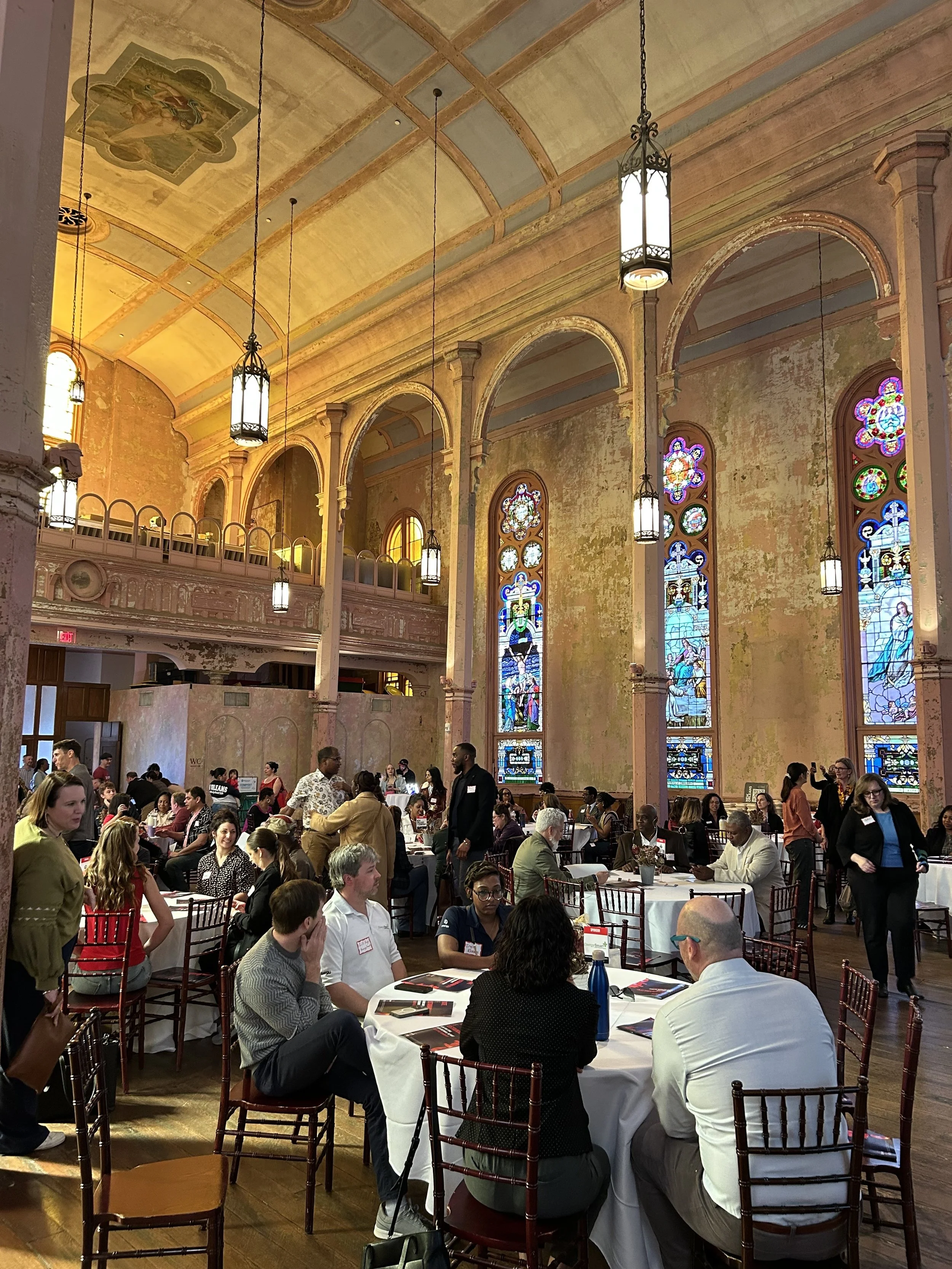
On the afternoon of February 25, 2026, more than 145 leaders from across the sustainability sector gathered to celebrate the launch of Love Your City’s first biennial State of Sustainability Report. Hosted at the historic Hotel Peter & Paul, the event marked a significant milestone for the organization and for the city. Developed in collaboration with 26 partner organizations, the report examines the forces shaping sustainability in New Orleans and outlines a collective vision for a more equitable, resilient future.
The luncheon also commemorated Love Your City’s 15th anniversary, an achievement recognized by the office of Helena Moreno through an official proclamation honoring the organization’s lasting impact.
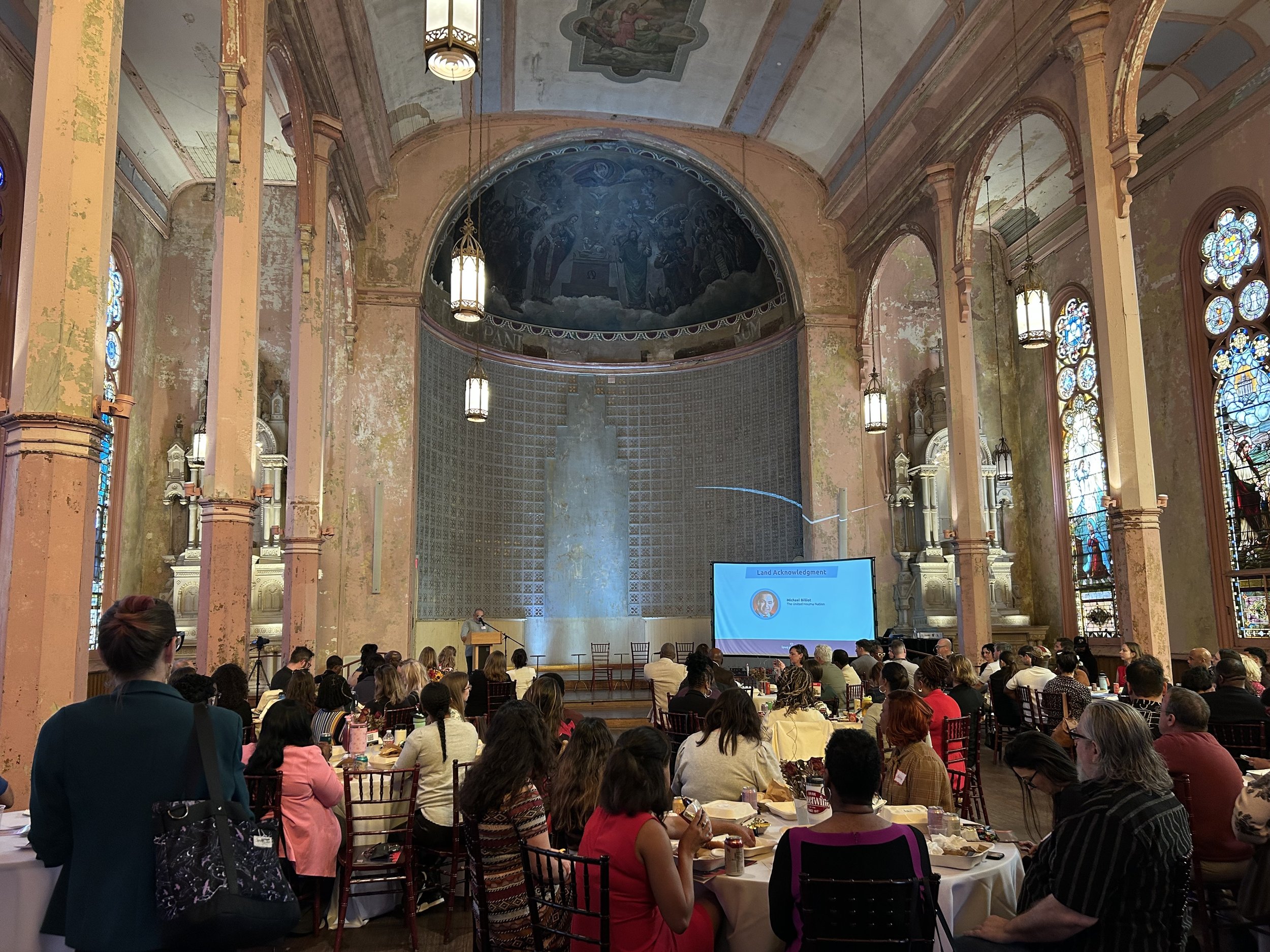
The program opened with a powerful land acknowledgment from Michael Billiot of the Houma Nation, grounding the gathering in the history and stewardship of the land. Pastor Shawn followed with a blessing that brought a sense of reflection, hope, and connection to the room. Guests enjoyed a thoughtfully prepared meal by Bacchanal, served in fully compostable packaging in partnership with RealCycle, an embodiment of the event’s sustainability values.
Love Your City founder Liz Shephard then introduced the State of Sustainability Report, emphasizing the importance of courage and collaboration in shaping the city’s future. She outlined three central findings:
Equitable access must be at the center of sustainability
Investing in children and nature secures long-term prosperity
Stronger collaboration and trust will accelerate progress
The Interconnected Nature of Sustainability
During the discussion, Liz Shephard underscored the deeply interconnected nature of sustainability and equity. From language access and disability inclusion to education and workforce development, improving accessibility strengthens collective action and ensures that sustainability efforts benefit all communities.
The report makes clear that building a thriving, resilient city is not only an environmental imperative, it is a strategic economic priority. Strong businesses depend on a strong workforce, and a strong workforce begins with quality education. Investing in schools is essential to preparing the next generation of talent and leadership. In turn, a robust education system positions New Orleans as a more valuable destination for businesses seeking to invest and grow. By prioritizing both our youth and our natural environment, the city lays the foundation for long-term economic prosperity.
These insights also highlight sustainability in practice. Challenges such as coastal erosion, flood protection, affordable housing, and economic mobility cannot be addressed in isolation, they are woven into the social and ecological fabric of the Gulf South. The report illustrates this through initiatives like LA Green Corps, which creates pathways into green careers while strengthening the local workforce, and Landis Construction, which demonstrates how businesses can integrate sustainable practices into their operations. Together, these examples reinforce that sustainability is a comprehensive strategy, one that advances economic vitality, public health, and community resilience while creating meaningful opportunities for future generations.
A Keynote Rooted in History and Hope
The luncheon’s keynote speaker, civil rights activist Doratha “Dodie” Smith-Simmons, shared a powerful speech that spanned personal recollections, local history, and celebrations of community. Renowned for her contributions to civil rights advocacy, Ms. Smith-Simmons told stories of her early years and experiences in the school system during segregation and jim crow laws. Emphasizing the need for unity and action, Ms. Smith-Simmons highlighted the long history of the intersectionality of justice and
“Sustainability cannot exist without equity, and equity cannot exist without sustainability,” she shared, reminding attendees that progress must be rooted in inclusion and shared responsibility.
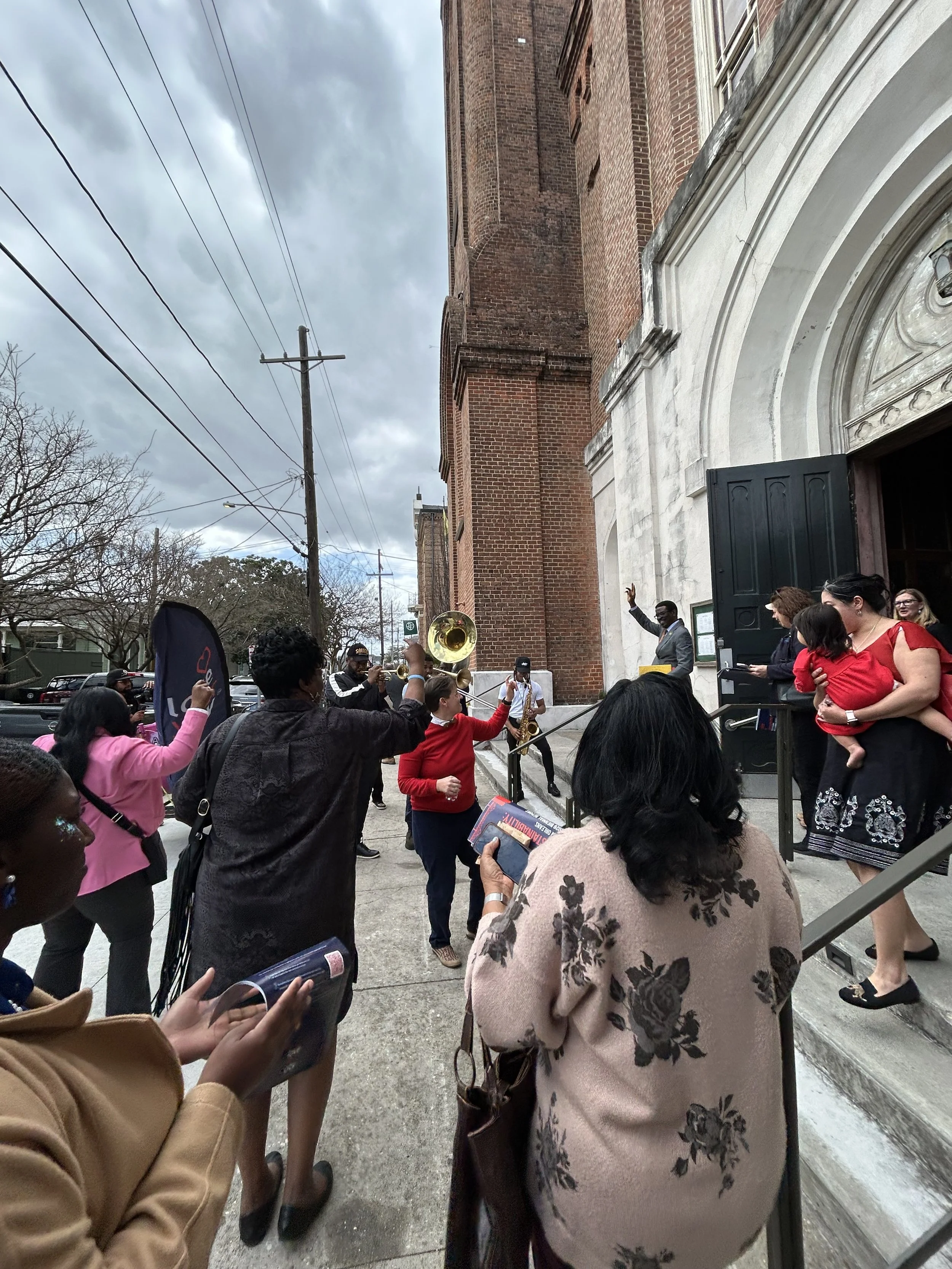
She concluded her remarks by inviting all guests to stand together in a circle, joining hands to sing “This Little Light of Mine.” The moment created a profound sense of unity, leaving a lasting impression of hope, resilience, and shared purpose.
Hope in the Strive for Change: Investing in the Next Generation
During the panel discussion, a question from the audience, “What gives you hope for the future of our city?”, sparked a meaningful conversation centered on youth and the importance of investing in the next generation.
Panelist Anissa Hyde spoke to the transformative power of mentorship, emphasizing its role in fostering confidence, sharing intergenerational knowledge, and empowering young people to see themselves as agents of change. She also highlighted New Orleans’ unique strength in community, noting the city’s deep social connections and culture of mutual support.
Claire Jecklin expanded on this perspective, emphasizing the importance of cultivating belief in the future. “That sense of momentum and believing in tomorrow, that is what I focus on,” she shared, pointing to the inspiration that comes from seeing young people envision and work toward a better world.
Liz Shephard echoed these sentiments, highlighting the power of community and cultural identity in driving change. Reflecting on New Orleans’ vibrant spirit, she posed a compelling question: “New Orleans knows how to throw an amazing party. How do we use that strength to address our equity challenges?”
Looking Ahead
The launch of the State of Sustainability Report serves as both a milestone and a call to action. It reinforces that sustainability is a collective effort, one requiring investment in people, systems, and the environment.
At its core, the report makes a clear case: investing in our youth is essential to building a more equitable, prosperous, and resilient New Orleans. By strengthening education, expanding opportunities, and fostering collaboration, the city can empower the next generation of leaders to shape a more sustainable future.